
Belonging on Purpose: From Tee Ball to Youth-Serving Systems
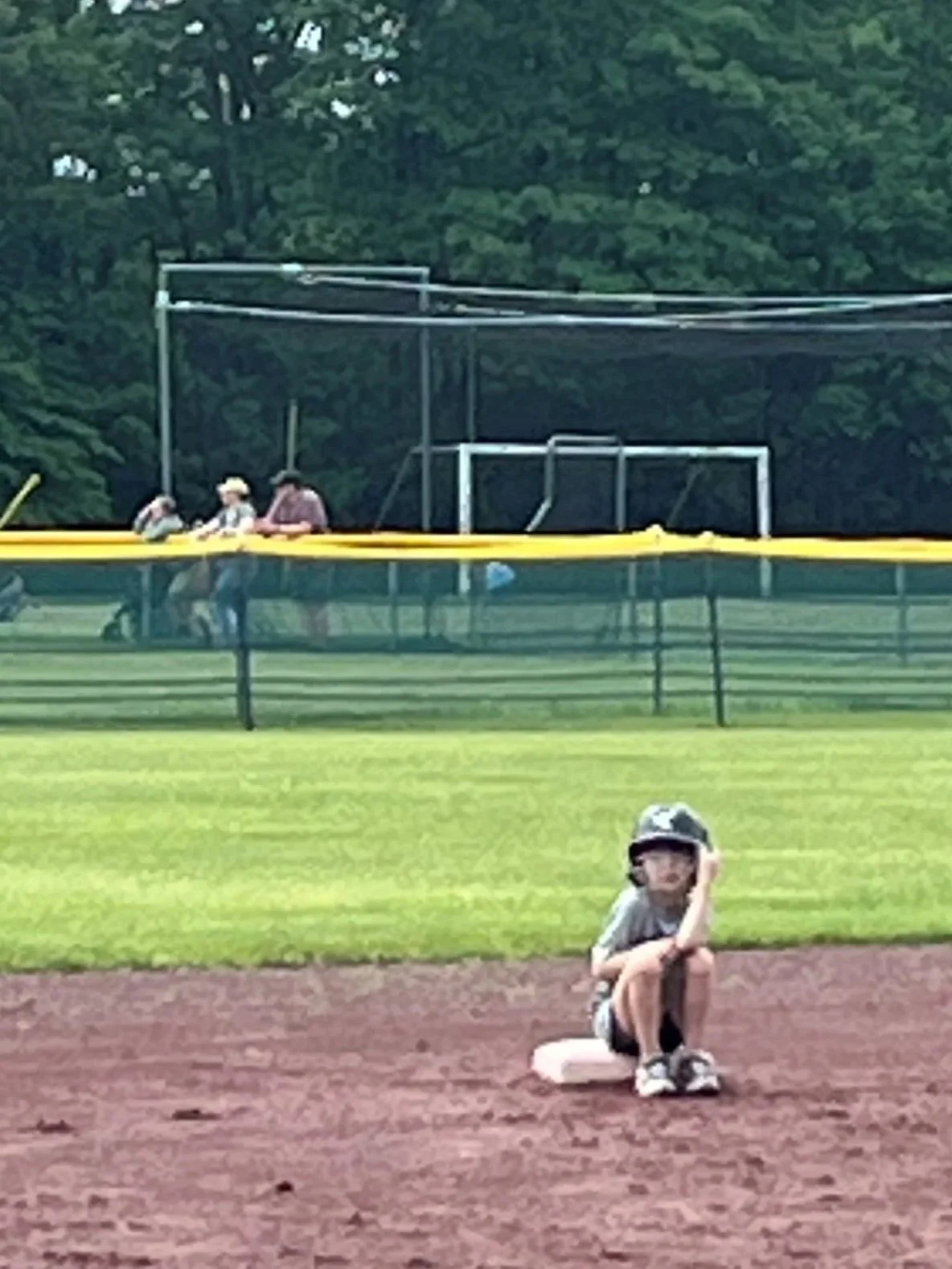
My son, who just finished his kindergarten year, participated in our community Tee Ball league this spring. Tee ball: a first introduction to America’s favorite pastime; a chance to learn the basics of the game, practice wielding a bat with your right hand or maybe your left, catch ground balls, pick dandelions.
As I sat in the bleachers in the late afternoons and watched the volunteer parent coaches (including my husband) joyfully wrangle groups of eight 4-, 5-, and 6-year-olds, my mind often wandered through the lens of my work with youth programs and youth-serving systems. Watching families come together for our kids filled me with admiration for the community effort. Our kids got to have fun, play outside, and learn the basics of a sport that – for some – will become a lifelong love.
I wondered how an activity like this could be a meaningful experience for every child, including kids (like mine) who may never love baseball, competition, or team sports themselves.
What would shift if one of the primary goals of the program was ensuring every child felt like they belonged?
What would look different if every coach prioritized connection alongside baseball skills? Not just the coaches for whom working with kids comes naturally, or those who are educators and youth workers – but every adult in the space.
What if getting to know the kids, helping teammates know one another, and noticing who feels included became an explicit part of the job? Especially in spaces where the culture, expectations, or definitions of success may already feel natural to some young people and unfamiliar to others.
How might those relationships shape what happens off the field: back at school, at home, and throughout the community?
How we build developmental relationships, prioritize belonging, and support the holistic well-being of young people guides the work that I do with broader youth-serving systems. The decisions we make when we fund, organize, and support youth programming determine whether young people consistently have experiences that are meaningful for their learning and growth. Getting clear about the purpose and potential of youth programs helps organizations think differently about the outcomes they seek, the resources they invest, and how they prepare staff to facilitate meaningful experiences.
I have had the opportunity to partner with a youth-serving state agency for the last year as we have worked to advance a positive youth development approach statewide. Developing an intentional orientation around positive outcomes has been central to this effort. Many systems still define success primarily through prevention: preventing problems, reducing risk, or keeping young people “out of trouble.”
But when we also focus on the relationships, experiences, and opportunities young people need to truly flourish, how we show up changes.
“What we pay attention to grows” – adrienne maree brown
In our work with agencies, we often bump into success being narrowly defined in measures like “fewer behavioral incidents,” “fewer suspensions,” or “reduced recidivism,” to name a few. Yet, defining success as the absence of problems doesn’t tell us if a young person feels connected, valued, or motivated to be in our programs.
What we measure communicates what we value.
If we know that long-term thriving is predicted by whole-child outcomes like contribution, hope, well-being, social connection, growth mindset, and belonging, then those outcomes should define the success of our programs. Likewise, program success should be reflected in the growth of staff skills to partner with young people to create the environments and experiences that foster those outcomes. This concept has grounded our co-design work to develop a shared vision for how youth programs – across settings and systems – can support lifelong well-being.
Together with county youth development leaders, youth consultants, and state agency staff, we are building an approach to measurement and continuous learning that reflects our commitment to positive youth outcomes through high-quality practices.
Whether you are leading a public agency, a youth-serving organization, or a tee ball practice, you have the power to shape a young person’s experience. The next time you are planning a policy, program, project, or interaction, consider this question:
How can I make belonging a defining feature of this experience?
If your organization is reimagining youth programs, advancing positive youth development, or strengthening child well-being, we'd love to connect and explore what's possible together.