
One Year In: Knowing, Being, & Doing in Practice
Making the Leap
This month marks one year since I launched KBD Collaborative alongside my partners, Adrienne Bard and Salem Valentino. It was a big leap to trust myself and leave the steady comfort of a salaried role, though I had full faith in my colleagues whose deep expertise, commitment, and values both reflected and amplified my own.
I took the first week off, with every intention of taking two.
However, by the second week I had already begun drafting emails, reaching out to colleagues from my past, and listing ideas and possibilities in my bullet journal. As April rolled in, what struck me most was the quiet of each day and week. There were whole stretches of open space on my calendar and only the occasional ping indicating a new email or Teams message.
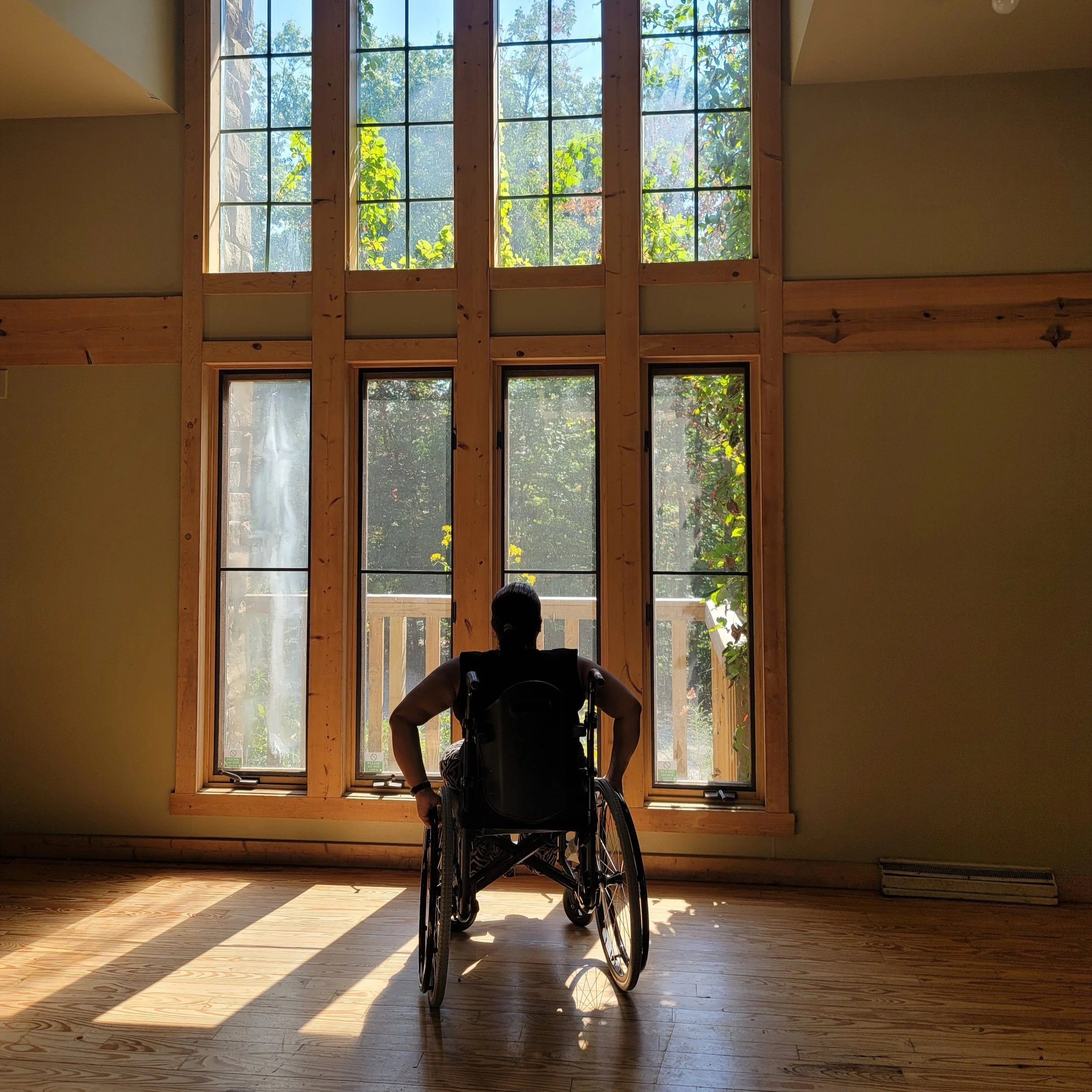
At first, the silence felt unfamiliar, unsettling, and at times, a bit lonely. Going from 30+ interdependent staff in an organization to a team of three very bright, independent leaders scattered across time zones meant a different way of working and connecting. I had gone from back-to-back meetings and a constant stream of notifications vying for my attention to having so much spaciousness, I didn’t know how to focus when unprompted. Over time, though, I began to recognize the space as room to think more deeply, to read without immediately translating ideas into slides or deliverables, to sit with questions about what we were actually building and why, and to allow those questions to shape the work rather than rush past them. As the year unfolded, what became clearer to me was this:
Impactful youth work isn’t just about building better systems. We must attend not only to what we are building, but to how we are showing up while we build it.
Strategy matters. Design matters. Policy matters. Yet, if we are not intentional about how we build, we will replicate the systems we are trying to dismantle. If we are not paying attention to the habits and assumptions we carry into rooms, then even our best efforts will struggle to sustain or have true impact. This belief is not new to me. It has been shaped over years of equity work and influenced by Dr. Shawn Ginwright’s invitation to ask not simply what we need to do but who we need to become, along with adrienne maree brown’s writing on ways of being. What shifted for me this year was how consistently I practiced this in all areas of my work and in all aspects of my life. How am I showing up in this moment? How are we working in alignment with our shared values? Do we have a shared understanding of how those values look in action (in team meetings, in program spaces, in one-on-one conversations)?
Slowing Down to Go Deeper
Slowing down became less of an aspiration and more of a discipline. In spaces that are often accustomed to speed, I found myself resisting the pull to move quickly toward solutions and challenging the norm of providing immediate responses at all hours of the day. I began asking, what is truly urgent? What new inspiration or ideas might emerge if we wait an extra day or two to respond to an inquiry? What might we learn or discover if we pause just a little longer?
As I slowed down, I also leaned more fully into my lived experiences with disability and accessibility, not as a personal aside, but as part of design conversations and explicit training. In partnership with my colleague Steph Love, our inclusion work with Girl Scouts of Central Indiana became less about simple accommodation or modifications, and more about intentional design. Adding ramps and paving trails certainly support access, but we also zoomed out to think through the entire experience – finding and signing up for a program (e.g. what do website photos communicate about accessibility), arriving, engaging with space (buildings, trails, equipment, materials), having multiple ways to participate, and challenging assumptions or expectations about participation.
The quick fixes are easy to spot, and if you have limited time, they are definitely a great starting point. However, slowing down allowed for deeper analysis, to look for the subtle signals, the longstanding traditions, or routines, policies, and practices that communicate (directly or indirectly) who a system or place is built for and who must adapt or leave parts of themselves behind in order to participate. With that deeper analysis, we could then lean into and imagine all the possibilities that might otherwise have been skipped over or completely missed.
The Power of Complementary Strengths
Working alongside Salem and Adrienne has been one of the most grounding parts of this year. We often joke about how naturally the Know, Be, and Do dimensions align with our individual strengths: Salem’s deep evaluation lens, commitment to inclusive methods, and uplifting youth voice, my orientation toward ways of being, equity, and internal shifts, Adrienne’s gift for designing processes that translate ideas into aligned action. Still, none of us sits neatly in one lane. What makes the work compelling is the synergy and the way our perspectives overlap, challenge, and strengthen one another.
There is a steadiness that comes from building something with partners who share both conviction and care. Together, we are extending what each of us has carried for years without replicating previous roles or models. We’re shaping the work in a way that feels more integrated and, in many ways, more free.
For me personally, this year has felt like a chance to practice youth work and systems-building in the way I have long believed it should be practiced: through a weaving together of positive youth development, accessibility, equity, belonging, reflection, and design without having to separate them into distinct initiatives or siloed conversations.
A Way of Working
What we are building at KBD is more than a simple program or a single model. It is a way of working. It’s integrating how we learn, how we show up, and how we act. It assumes that strategy without reflection will exhaust us, and that reflection without aligned action will stall us. Knowing, being, and doing are not singular steps to complete. They are dimensions to hold us together.
As I mark this first year, I feel proud of the depth we have cultivated and clear about what anchors us. The work will continue to evolve, but the question remains ever present: how are we showing up today in this meeting, in this partnership, in this system we are helping to shape?
I hope this reflection invites you to pause and consider that question in your own work. If you’re interested in deepening that practice together, check out our KBD Leadership Series or email us to get started.